

 By
By In the world of international trade, efficiency is everything. The journey of goods from manufacturers to markets depends heavily on how smoothly they pass through ports. At the heart of this movement are Global Container Terminals, powerful logistics hubs that do far more than load and unload cargo—they directly influence profitability, speed, and supply chain performance.
Where Trade Meets Strategy
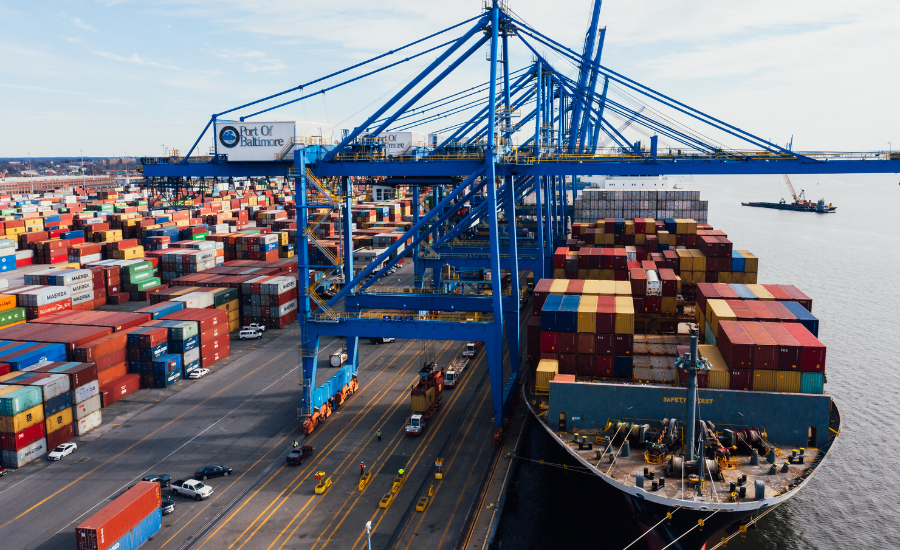
Global container terminals are not just operational facilities; they are strategic assets. Positioned at key maritime gateways, these terminals handle massive volumes of cargo used daily, connecting countries, industries, and consumers.
Their ability to manage high traffic efficiently determines how quickly goods enter or exit a country. Faster processing means quicker deliveries, reduced costs, and improved customer satisfaction—turning logistics efficiency into measurable business profit.
The Profit Connection
Every hour saved at a port translates into financial gains. Delays in cargo handling can lead to increased shipping costs, storage fees, and missed business opportunities. This is where Global Container Terminals make a difference.
By streamlining container handling, optimizing vessel turnaround time, and minimizing congestion, these terminals help businesses:
- Reduce operational costs
- Improve inventory turnover
- Meet tight delivery schedules
- Strengthen supply chain reliability
In short, efficient port operations directly enhance a company’s bottom line.
The Role of Container Yards in Mumbai
Supporting these terminals are critical infrastructure elements like Container Yards in Mumbai, which play a key role in maintaining the flow of cargo beyond the port gates.
Container yards act as organized spaces where containers are stored, sorted, and prepared for onward movement. In a busy trade hub like Mumbai, these yards help:
- Decongest ports by managing overflow containers
- Enable faster loading and unloading cycles
- Support smooth coordination between transport modes
- Provide temporary storage for better inventory planning
Their presence ensures that ports continue to function efficiently, even during peak trade periods.
Speed, Scale, and Precision
Modern container terminals are built for scale. With advanced cranes, automated systems, and digital tracking tools, they handle thousands of containers with remarkable precision.
This combination of speed and accuracy reduces human error, improves safety, and ensures that cargo reaches its destination without unnecessary delays. Businesses benefit from predictable timelines and greater control over their logistics operations.
Integration with the Supply Chain
The real strength of Global Container Terminals lies in their integration with the broader supply chain. They connect seamlessly with shipping lines, trucking networks, rail systems, and warehousing facilities.
When paired with efficient Container Yards in Mumbai, this integration becomes even more powerful—creating a continuous flow of goods from port to warehouse to end consumer. This end-to-end connectivity is essential for maintaining consistency in global trade.
Adapting to a Changing World
As global trade evolves, container terminals are also transforming. Increasing demand, larger vessels, and rising customer expectations are pushing terminals to adopt smarter technologies and better infrastructure.
From real-time tracking systems to automated handling equipment, innovation is helping terminals operate more efficiently while maintaining flexibility in the face of disruptions.
A Competitive Advantage
For businesses involved in import and export, choosing the right terminal and logistics network can be a major competitive advantage. Efficient terminals reduce transit time, lower costs, and improve reliability—three key factors that influence profitability.
In competitive markets, even small improvements in logistics performance can lead to significant gains in market share and customer trust.
Conclusion
From the moment a shipment reaches the port to the point it generates revenue, Global Container Terminals play a decisive role in shaping outcomes. Supported by infrastructure like Container Yards in Mumbai, they ensure that goods move efficiently, costs stay controlled, and supply chains remain strong.
In today’s fast-paced trade environment, these terminals are not just gateways—they are growth drivers, turning logistical efficiency into real business profit.