

 By
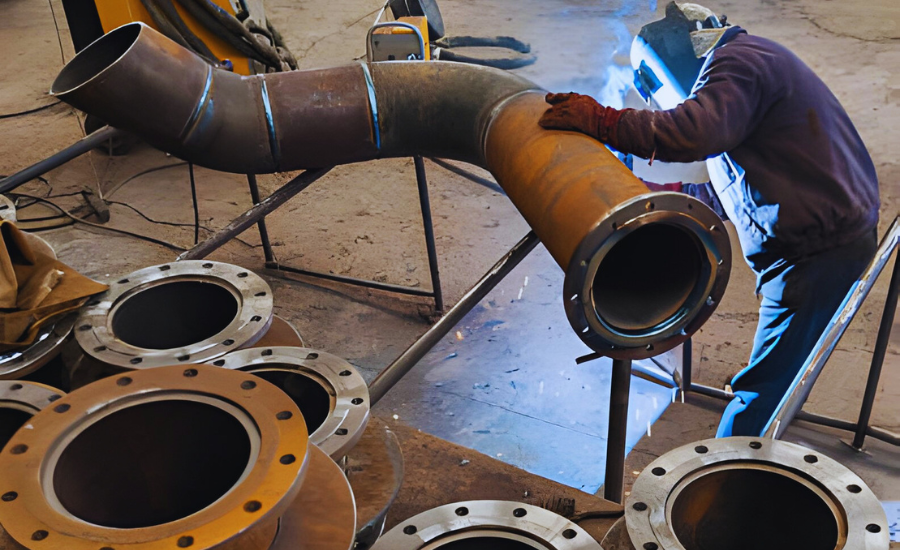
By Industrial flanges are critical components in piping systems, used to connect pipes, valves, pumps, and other equipment. They provide a secure, leak-proof joint while allowing easy assembly, disassembly, and maintenance. Whether in oil & gas, power plants, or chemical industries, flanges play a key role in ensuring system efficiency and safety.
Let’s explore what makes them so important—and how to choose the right one.
What Are Industrial Flanges?
A flange is a mechanical connector—typically a disc, ring, or plate—attached to the end of a pipe. Two flanges are bolted together with a gasket in between to create a tight seal.
Why flanges are widely used:
- Easy installation and removal
- Strong, durable connections
- Suitable for high-pressure systems
- Simplifies maintenance and inspection
Common Types of Industrial Flanges
Understanding flange types helps in selecting the right fit for your application.
1. Weld Neck Flange
Designed with a long tapered hub, this flange is welded directly to the pipe.
Best for:
- High-pressure and high-temperature applications
- Critical systems requiring strength and durability
This flange slides over the pipe and is then welded.
Best for:
- Low to moderate pressure systems
- Applications where cost efficiency is important
3. Blind Flange
A solid flange used to close the end of a piping system.
Best for:
- Temporary or permanent sealing
- Pressure testing
4. Socket Weld Flange
The pipe is inserted into a socket and welded in place.
Best for:
- Small-diameter, high-pressure pipes
- Systems requiring strong, leak-proof joints
5. Threaded Flange
Features internal threads and does not require welding.
Best for:
- Low-pressure applications
- Situations where welding is not feasible
6. Lap Joint Flange
Used with a stub end, allowing easy alignment and rotation.
Best for:
- Systems requiring frequent dismantling
- Applications involving corrosion-prone materials
Materials Used in Industrial Flanges
Flanges are available in various materials depending on the environment:
- Stainless Steel (SS 304, 304L, 316, etc.) – Corrosion resistance and durability
- Carbon Steel – Strength and cost-effectiveness
- Alloy Steel – High-temperature and high-pressure resistance
For example, SS 304/304L flanges are widely used in chemical, food processing, and pharmaceutical industries due to their excellent corrosion resistance.
Applications of Industrial Flanges
Industrial flanges are used across a wide range of sectors:
- Oil & Gas pipelines
- Power generation plants
- Chemical and petrochemical industries
- Water treatment facilities
- Food and beverage processing
They ensure safe fluid transfer, structural integrity, and easy system maintenance.
How to Select the Right Flange
Choosing the correct flange is essential for system performance. Here are key factors engineers must consider:
1. Pressure and Temperature Ratings
Ensure the flange can withstand operating conditions without failure.
2. Material Compatibility
Match the flange material with the pipe and fluid to prevent corrosion or contamination.
3. Size and Standards
Flanges must comply with standards like ASME, ANSI, or DIN to ensure proper fit and safety.
4. Type of Connection
- Welding required? → Weld neck or socket weld
- No welding? → Threaded flange
- Frequent maintenance? → Lap joint flange
5. Cost vs Performance
Balance initial cost with long-term durability and maintenance requirements.
Role of Quality Manufacturing
Selecting flanges from trusted manufacturers ensures:
- Accurate dimensions and finishing
- High-quality raw materials
- Compliance with international standards
- Reliable long-term performance
Poor-quality flanges can lead to leaks, downtime, and safety risks—making supplier selection just as important as product selection.
Final Thoughts
Industrial flanges are the backbone of modern piping systems, offering strength, flexibility, and ease of maintenance. With multiple types and materials available, selecting the right flange requires a clear understanding of your application’s technical requirements.
By choosing the correct type, material, and flanges manufacturer, you can ensure a piping system that is efficient, safe, and built to last.